 Pin It
 My roommate in college swore by three ingredients: butter, salt, and Pecorino Romano. One night, after a particularly long study session, she boiled pasta, tossed it with cheese and pepper, and called it dinner. I laughed until I tasted it. That creamy, sharp, peppery bite woke me up faster than any espresso, and I've been making cacio e pepe ever since.
I made this for my parents once after they visited Rome and couldn't stop talking about a tiny restaurant near the Pantheon. My dad took one bite, closed his eyes, and said it tasted just like the real thing. My mom asked for seconds. That night, I realized how powerful simple food can be when you get the technique right.
Ingredients
- Spaghetti (400 g): The long strands grab onto the creamy sauce beautifully, and cooking it just shy of fully done lets it finish in the skillet, soaking up all that peppery goodness.
- Pecorino Romano cheese (120 g, finely grated): This salty, tangy sheep's milk cheese is the heart of the dish, and grating it fresh makes all the difference in how smoothly it melts.
- Freshly cracked black pepper (2 tsp, plus extra): Toasting it releases oils and fragrance that transform plain pepper into something bold and aromatic.
- Salt (for pasta water): Season the water generously so the pasta itself carries flavor, since the sauce is delicate and relies on balance.
Tired of Takeout? 🥡
Get 10 meals you can make faster than delivery arrives. Seriously.
One email. No spam. Unsubscribe anytime.
Instructions
- Boil the Pasta:
- Bring a large pot of salted water to a rolling boil, add the spaghetti, and cook until just al dente, making sure to scoop out a full cup of starchy pasta water before draining. This water is liquid gold for building your sauce.
- Toast the Pepper:
- In a large skillet over low heat, add the black pepper and let it toast for a minute or two until you can smell it blooming in the pan. Don't rush this step, the warmth unlocks all that spicy complexity.
- Create the Base:
- Pour about half a cup of the reserved hot pasta water into the skillet with the toasted pepper and let it simmer gently. This peppery broth will become the foundation of your creamy sauce.
- Toss the Spaghetti:
- Add the drained spaghetti directly into the skillet and toss it around so every strand gets coated in that fragrant, peppery liquid. The pasta should glisten and start to absorb the flavors.
- Add the Cheese:
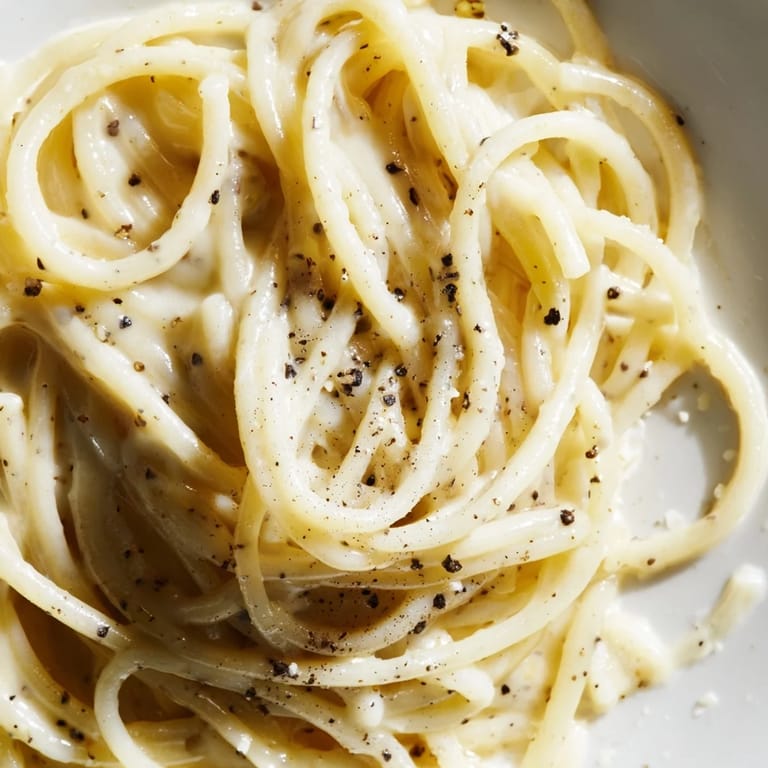
- Gradually sprinkle in the grated Pecorino Romano while tossing and stirring vigorously, adding splashes of reserved pasta water as needed to keep everything moving and emulsified. The goal is a silky, clinging sauce, not clumps of cheese, so keep the heat low and your hands busy.
- Serve Immediately:
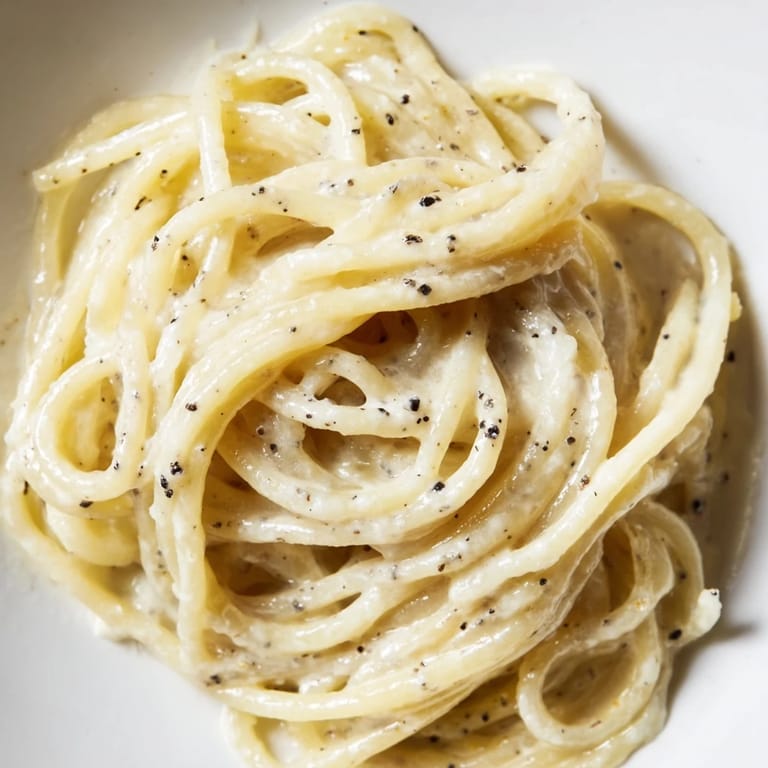
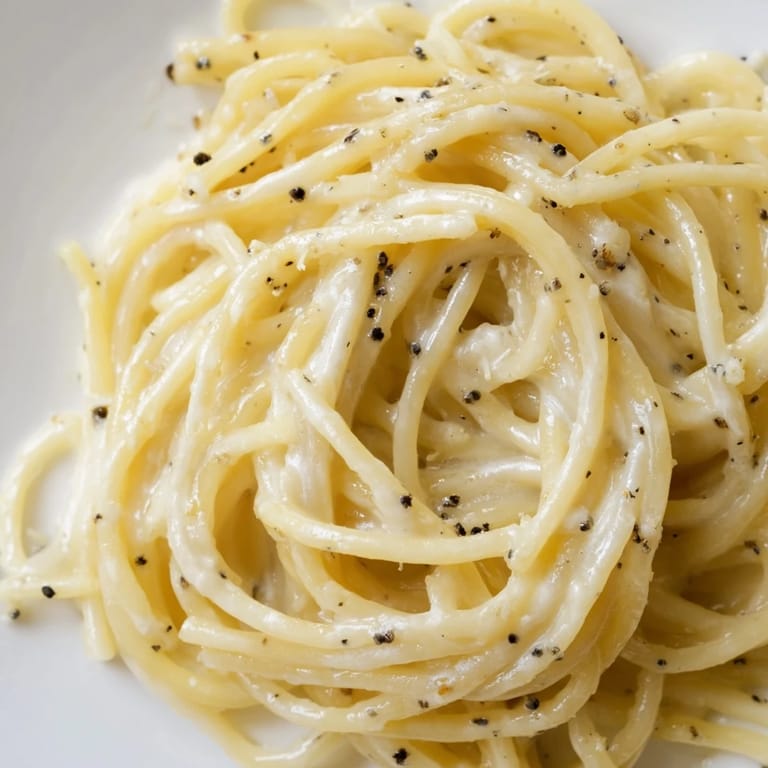
- Plate the pasta right away, topping each serving with extra Pecorino and a generous crack of black pepper. Cacio e pepe waits for no one, it's best when it's steaming hot and impossibly creamy.
 Pin It
 One evening, I made this for a friend going through a rough breakup. We sat on the couch, twirling spaghetti in silence, and after a few bites she finally smiled. She said it reminded her that some of the best things in life don't have to be complicated. I've never forgotten that, and now I make cacio e pepe whenever someone needs a little comfort without the fuss.
Choosing Your Cheese
Pecorino Romano is sharp, salty, and bold, with a distinct bite that defines this dish. If you can't find it or prefer something milder, Parmigiano Reggiano works beautifully, though it shifts the flavor toward nutty and sweet rather than tangy. I've also mixed the two for a more balanced profile when I'm cooking for people who find Pecorino too intense. Whatever you choose, grate it yourself right before cooking, it makes an enormous difference in how the sauce comes together.
Getting the Sauce Right
The secret to a creamy cacio e pepe is patience and pasta water. The starch in that cloudy liquid acts as a natural emulsifier, binding the cheese and water into a smooth, glossy sauce. I used to add the cheese all at once and end up with clumps, but now I sprinkle it in gradually while tossing constantly, almost like I'm making a tiny risotto. If the sauce looks too thick, add a splash more water. If it's too thin, keep tossing over low heat until it tightens up.
Serving and Pairing
Cacio e pepe is best eaten immediately, straight from the skillet if you're feeling casual. I like to serve it in warm bowls with extra Pecorino and pepper on the side so everyone can adjust to their taste. A crisp white wine like Vermentino or Pinot Grigio cuts through the richness beautifully, and a simple green salad with lemon dressing keeps the meal light and balanced.
- Finish each plate with a drizzle of good olive oil for extra richness and shine.
- If you have leftovers, reheat gently with a splash of water or broth to bring the sauce back to life.
- For a twist, try adding a handful of fresh arugula or spinach at the very end for color and a peppery bite.
 Pin It
 This dish taught me that cooking doesn't have to be complicated to be memorable. With just a few ingredients and a little care, you can make something that feels like a hug in a bowl.
Recipe Questions & Answers
- → What is Cacio e Pepe?
Cacio e Pepe is a traditional Roman pasta dish that translates to 'cheese and pepper.' It's made by combining hot spaghetti with toasted black pepper, pasta water, and finely grated Pecorino Romano cheese to create a naturally creamy sauce.
- → Can I use Parmigiano Reggiano instead of Pecorino Romano?
Yes, Parmigiano Reggiano is an excellent substitute if you prefer a milder, less sharp flavor. The dish will be slightly different in taste but equally delicious. You may need to adjust the quantity slightly as Parmigiano has different melting properties.
- → Why is my sauce grainy or clumpy?
Graininess occurs when cheese is added too quickly or the temperature drops. Work rapidly when adding the Pecorino Romano and ensure the pasta water is hot. Stir vigorously and add pasta water gradually to maintain a silky consistency.
- → How do I preserve 1 cup of pasta water?
Before draining your spaghetti, use a measuring cup to scoop out the starchy pasta water and set it aside. This reserved water is essential for creating the creamy sauce, so don't skip this step.
- → What wine pairs well with Cacio e Pepe?
Crisp white wines like Vermentino, Pinot Grigio, or Verdicchio complement this dish beautifully. The acidity cuts through the richness of the cheese while enhancing the peppery notes.
- → Can I make this ahead or reheat leftovers?
Cacio e Pepe is best served immediately while the sauce is creamy. If you have leftovers, store them in an airtight container and gently reheat over low heat with a splash of water to restore the silky texture.