 Pin It
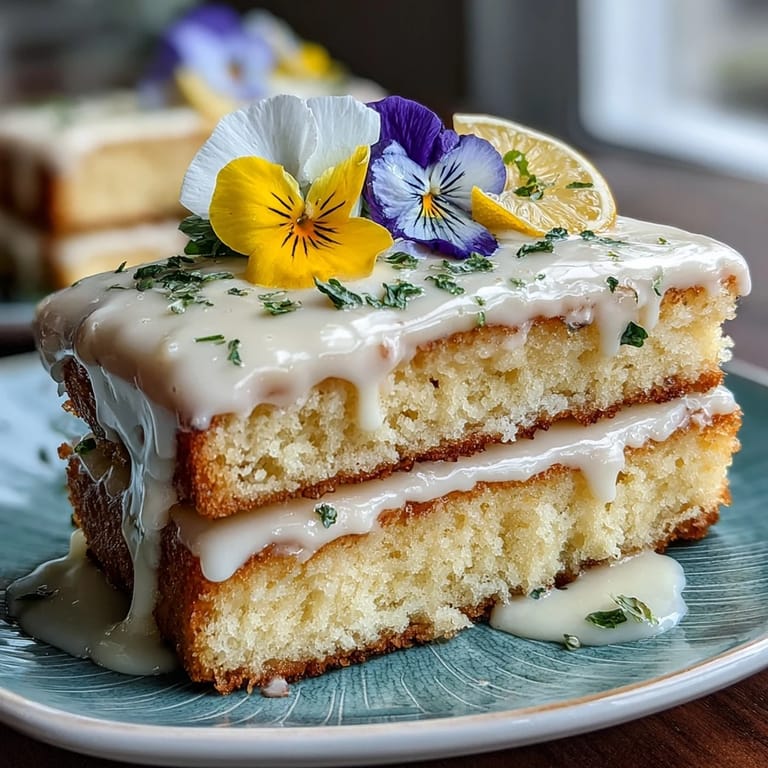
 My sister texted me a photo of a flower from her garden—just a casual snap—and somehow that image stuck with me for weeks. When her birthday rolled around, I wanted to create something that felt as delicate and thoughtful as that moment. These mini layer cakes emerged from that impulse: tender vanilla sponge kissed with lemon, stacked with silky buttercream, and crowned with those same edible flowers. They're small enough to feel special and individual, yet somehow they make everyone at the table feel seen.
I made these for a small gathering once, and a friend who usually skips sweets asked for a second one. She said it was the first time a homemade dessert felt like it was actually meant for her, not just something that happened to be on the table. That stuck with me more than any compliment about technique ever could.
Ingredients
- All-purpose flour (1 1/4 cups): The foundation of a tender crumb; sifting it prevents dense spots from settling.
- Baking powder (1 tsp): Just enough lift without overshooting and creating an airy, fragile cake.
- Salt (1/4 tsp): A whisper that brings out the sweetness and lemon brightness rather than adding saltiness itself.
- Unsalted butter (1/2 cup for cake, 3/4 cup for buttercream): Softness is everything; cold butter creates lumps and uneven texture in both the batter and frosting.
- Granulated sugar (3/4 cup): Beaten with butter until truly pale, which aerates the batter and gives the cake its tender crumb.
- Eggs (2 large): Room temperature eggs incorporate more smoothly and create a more cohesive batter.
- Pure vanilla extract (1 tsp cake, 1 tsp buttercream): Real vanilla adds warmth; the imitation version tastes thin by comparison.
- Lemon zest (1/2 tsp): The zest—not juice—keeps moisture balanced while delivering that spring brightness.
- Whole milk (1/2 cup): Room temperature milk doesn't shock the batter and blend unevenly.
- Powdered sugar (2 cups): Must be sifted to avoid grainy buttercream that feels gritty on the tongue.
- Edible flowers (1 cup): Source from a reputable supplier or your own pesticide-free garden; wash gently and pat dry before use.
Tired of Takeout? 🥡
Get 10 meals you can make faster than delivery arrives. Seriously.
One email. No spam. Unsubscribe anytime.
Instructions
- Prep your workspace and oven:
- Preheat to 350°F and line a 9x13 baking sheet with parchment paper, then grease it lightly. This keeps the thin cake layer from sticking while baking flat and even.
- Combine your dry ingredients:
- Whisk flour, baking powder, and salt in a medium bowl until uniform. This prevents streaks of baking powder that would create bitter spots.
- Cream butter and sugar until clouds form:
- Beat for about three minutes until the mixture is pale and noticeably fluffy. This step is where the cake's tender crumb begins, so don't rush it.
- Add eggs one at a time with patience:
- After each egg, beat until fully incorporated before adding the next. Rush this and you'll have a curdled-looking batter that won't rise as well.
- Fold in vanilla, lemon zest, then the flour and milk:
- Start with half the flour, then the milk, then the remaining flour, mixing gently after each addition. Overmixing develops gluten and creates a tough, dense cake.
- Spread and bake until a toothpick comes clean:
- The batter should be even across the baking sheet for uniform cake rounds. Bake for 18 to 22 minutes; the cake should be pale golden and just set.
- Cool completely on the pan, then cut circles:
- Using a 2.5 to 3 inch round cutter, press straight down and give it a slight twist to release 12 circles. Save the scraps for snacking or crumbling into a crumb topping.
- Beat the buttercream until it's light as cloud:
- Creamy butter plus gradually added powdered sugar creates a fluffy, spreadable frosting. If it's too thick, add milk one teaspoon at a time.
- Assemble the mini layer cakes with care:
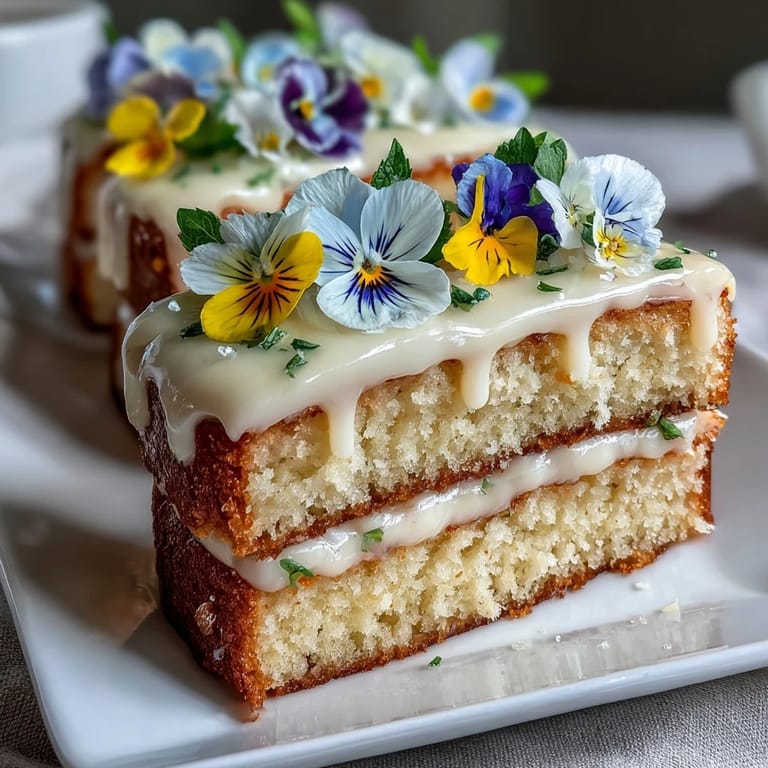
- One cake round plus a thin layer of buttercream, topped with another cake round and a whisper-thin second layer of frosting, creates the perfect proportion for a small cake.
- Crown each cake with buttercream and flowers:
- A small dollop piped or spread on top, then arrange flowers while the buttercream is still soft so they stick naturally.
- Chill for 15 minutes to set the structure:
- This helps the buttercream firm up just enough so the cake holds together when served.
 Pin It
 There's a quiet magic to handing someone a cake that's just for them. My niece ate hers slowly, pausing between bites to admire the flower on top before it disappeared. Suddenly it wasn't just dessert anymore—it was a small, edible love note.
Sourcing Edible Flowers Safely
Not all flowers are food-safe, and sprayed ornamental flowers can contain pesticides that won't cook off. Buy from specialty food suppliers, farmer's markets with certified flowers, or grow your own in untreated soil. Violas, pansies, and nasturtiums are reliable choices, though their flavor ranges from mild to slightly peppery. Rinse them gently under cool water, pat dry with a soft cloth, and use them within a few hours for best appearance.
Customizing the Flavor and Color
The vanilla-lemon base is forgiving and pairs with almost any flavor direction you want to take. A hint of lavender added to the batter, or a touch of orange zest instead of lemon, shifts the whole vibe. For buttercream, pastel food coloring creates a softer look than bold shades—blush pink, mint green, or pale lavender all feel spring-like without looking artificial.
Making It Ahead and Storing
Bake the cake layer and buttercream the day before, storing each separately in airtight containers. Assemble the cakes up to 4 hours ahead and refrigerate, then add fresh flowers just before serving. These cakes keep best in a cool room or refrigerator for up to two days, though the flowers will fade if stored too long.
- If you're making this for a hot-weather party, chill the assembled cakes in the refrigerator until 15 minutes before serving to prevent the buttercream from softening.
- Leftover cake scraps are perfect for nibbling while decorating, or crumble them for impromptu cake pops the next day.
- A silicone spatula is gentler on the cake layer than a metal one when spreading buttercream between rounds.
 Pin It
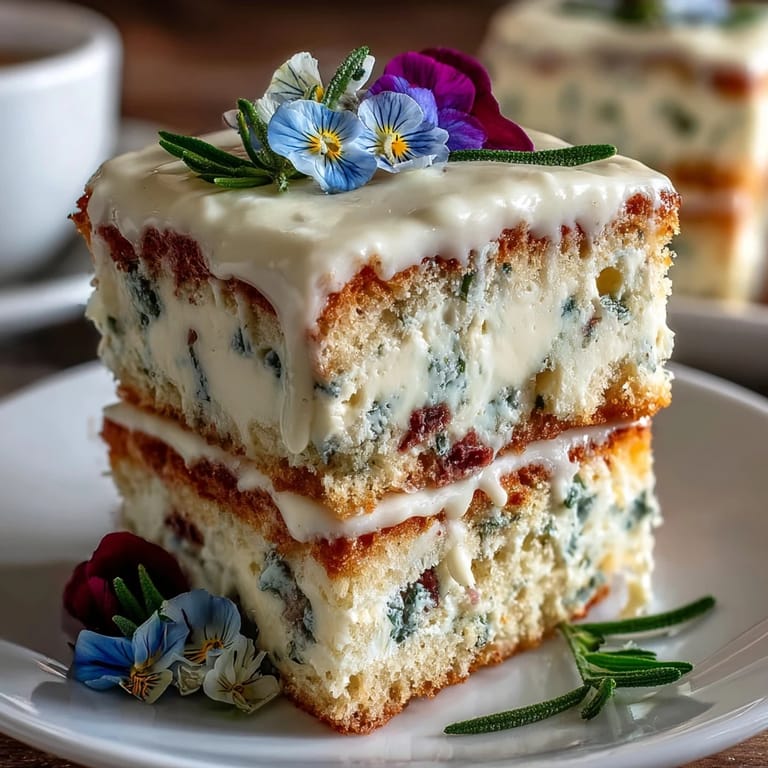
 These mini cakes prove that elegance doesn't require hours of fussing—just attention to small, thoughtful details. Make them for someone you care about, and watch how a simple dessert becomes a memory.
Recipe Questions & Answers
- → What are the main flavors in these mini cakes?
The cakes feature a gentle blend of vanilla and lemon zest, providing a fresh and delicate taste.
- → How are the mini cakes shaped?
Once baked in a sheet pan, the cake is cooled and cut into 2.5–3 inch rounds using a cookie cutter.
- → What kind of decorations are used?
Pastel-colored buttercream layers are topped with carefully arranged edible flowers for a festive look.
- → Can the buttercream be tinted with colors?
Yes, food-safe pastel coloring can be added to the buttercream for a charming and vibrant finish.
- → Are these cakes suitable for vegetarians?
Yes, all ingredients used support a vegetarian diet, including dairy and eggs.
- → What is the best way to store these cakes?
Chill the assembled mini cakes for 15 minutes before serving to maintain texture and freshness.