 Pin It
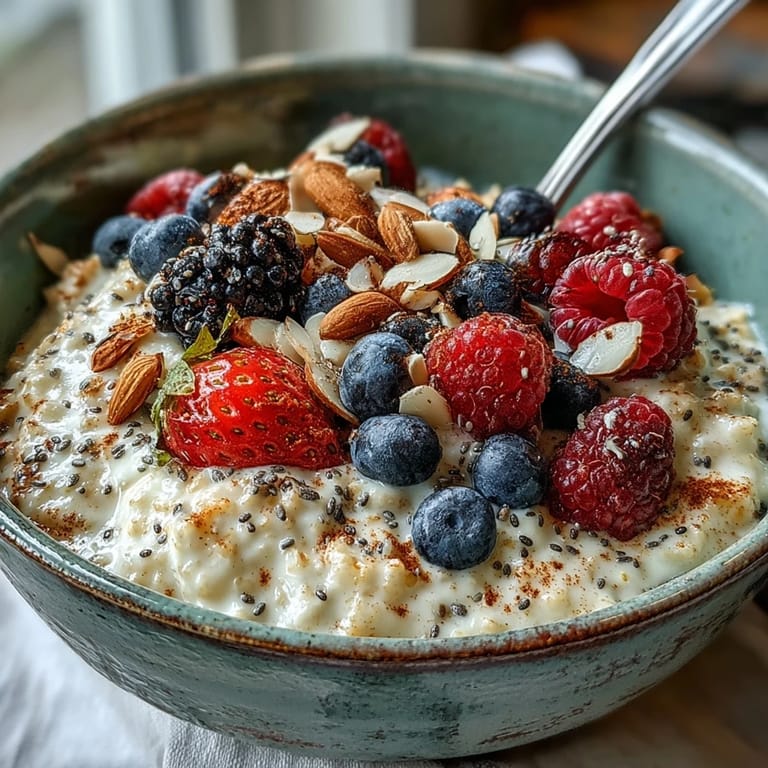
 Last winter, I was rummaging through my pantry looking for something warm and unfamiliar when I found a bag of millet I'd forgotten about. A friend had sworn by it as a breakfast grain, so I decided to experiment. What emerged from that pot was this gentle, creamy porridge that felt almost meditative to eat, especially when crowned with jewel-toned berries that seemed to glow against the pale grain. It became my quiet morning ritual, the kind of breakfast that doesn't demand anything from you except to sit and eat slowly.
I made this for my mother on a Saturday morning when she was visiting, and watching her face light up surprised me—she kept saying it tasted like something she'd eaten somewhere but couldn't quite place. Turned out, her childhood nanny in Delhi used to make a similar grain porridge, and somehow my millet version had triggered that memory. We sat together for nearly an hour over bowls of this, swapping stories between bites.
Ingredients
- Millet, rinsed: This ancient grain is lighter and faster-cooking than you'd expect, and rinsing it removes any dust while preventing that slightly bitter taste some people notice—a step I learned not to skip.
- Water and milk combination: The water starts the cooking process and helps break down the millet, while the milk stirred in halfway through creates that luxurious creamy texture that makes porridge feel like a hug in a bowl.
- Ground cinnamon, nutmeg, and cardamom: These three work together like a gentle symphony, and I've found that measuring them rather than eyeballing prevents any one spice from overwhelming the others.
- Maple syrup or honey: Either works beautifully, though I prefer maple for its mineral warmth that complements the millet's earthiness in a way honey sometimes masks.
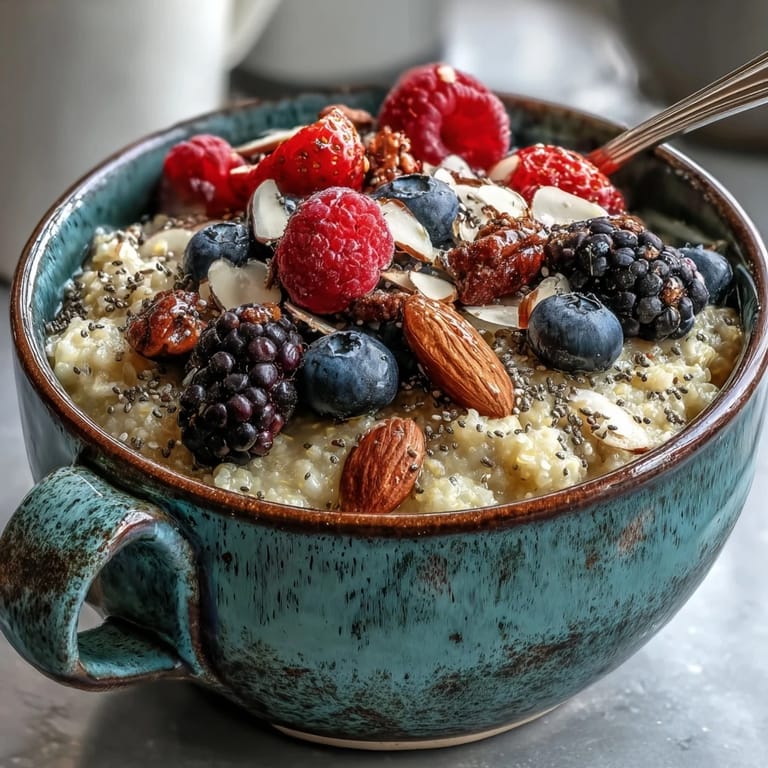
- Mixed fresh or frozen berries: Frozen berries are secretly better here because they're picked at peak ripeness, and they won't fall apart in the warm porridge the way some fresh berries do.
- Nuts and seeds for garnish: These add textural contrast that keeps each spoonful interesting, plus a gentle crunch that feels intentional rather than accidental.
Tired of Takeout? 🥡
Get 10 meals you can make faster than delivery arrives. Seriously.
One email. No spam. Unsubscribe anytime.
Instructions
- Rinse and start:
- Run your millet under cool water and watch for the cloudy water to clear—this simple step prevents grittiness later. Combine it with water and salt in your saucepan, then bring to a boil, listening for that first vigorous bubble break to signal you can turn the heat down.
- Let it simmer gently:
- Once you've reduced the heat, cover the pan and let it bubble quietly for 15 minutes, stirring just occasionally. You'll notice the water being absorbed and the grains beginning to soften, and the kitchen will smell faintly sweet.
- Introduce milk and spices:
- Pour in your milk and add the cinnamon, nutmeg, and cardamom, stirring until the spices dissolve evenly and the mixture becomes fragrant. Cover again and cook for another 10 minutes, which is the moment the texture transforms from grainy to creamy.
- Sweeten to your taste:
- Remove from heat and stir in your maple syrup or honey while the porridge is still hot, allowing it to distribute evenly. Taste a small spoonful before serving, since sweetness is deeply personal.
- Serve and crown:
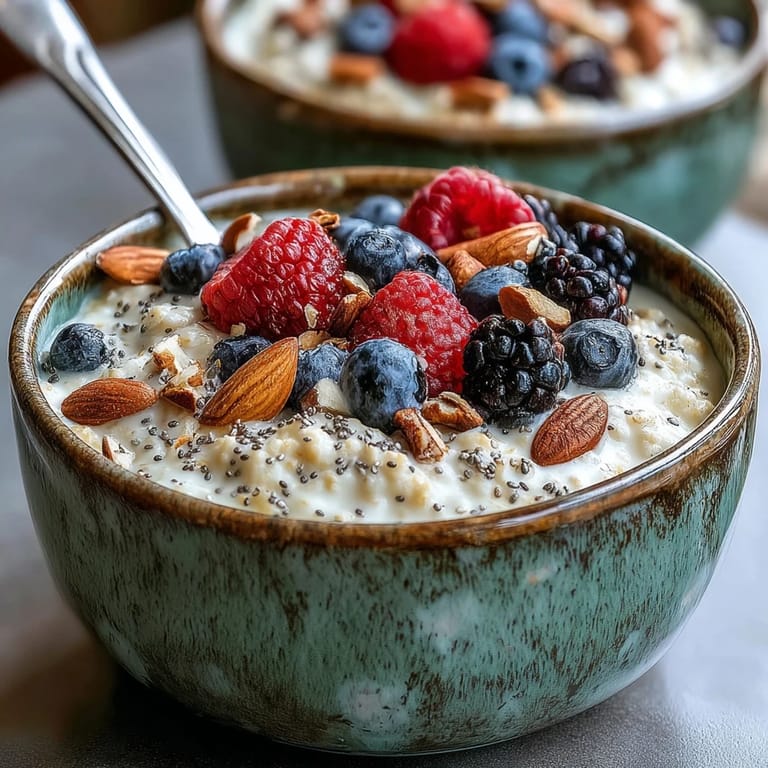
- Spoon the warm porridge into bowls and top each with berries, nuts, and seeds while the porridge is still steaming. The warmth will gently soften the berries and release their flavors into every bite.
 Pin It
 There was a morning when I made this for my niece, who's six and usually eats cereal with the enthusiasm of someone checking off a chore. She asked for seconds, which had never happened before, and then asked if we could make it together next time. That moment taught me that nourishing food, when made with intention, speaks a language that even busy modern mornings understand.
The Secret of Slow Cooking Grains
I've learned that rushing millet by using high heat doesn't save time—it just creates an uneven texture where some grains are mushy while others remain firm. The low, patient simmer allows each grain to absorb moisture uniformly, creating that homogeneous creaminess that feels so satisfying. There's something about giving a grain space and time that reflects how we probably should approach our own mornings.
Berries: Fresh Versus Frozen
I used to feel like frozen berries were somehow inferior, until I learned that freezing happens immediately after harvest, preserving nutrients that fresh berries start losing the moment they're picked. Now I keep bags of mixed berries in my freezer year-round, knowing they'll be sweeter and more vibrant than fresh ones that have spent days in transit. The slight frost that melts into the warm porridge is actually beautiful, softening the berries and releasing their juice into each spoonful.
Making This Porridge Your Own
Once you understand the ratio of grain to liquid and the cooking times, this porridge becomes a canvas for whatever you have on hand or whatever you're craving. I've made it with pumpkin puree in autumn, with a splash of vanilla in spring, and with pomegranate seeds when they're in season. The spice blend is forgiving enough that you can adjust it to your preference without losing what makes the dish work.
- If you prefer your porridge thinner, add a splash of extra milk at the end rather than reducing the cooking time, which preserves the grain's tender texture.
- Toast your nuts lightly before adding them if you have five minutes; it deepens their flavor and makes them less of an afterthought.
- This porridge keeps in the refrigerator for three days, and reheats beautifully with just a little warm milk and a gentle stir.
 Pin It
 This porridge has become the breakfast I make when I want to feel grounded, whether that's after a restless night or before a challenging day. It's simple enough to pull together in half an hour, nourishing enough to keep you satisfied until lunch, and gentle enough to feel like self-care rather than effort.
Recipe Questions & Answers
- → Can I make millet porridge ahead of time?
Yes, millet porridge reheats beautifully. Store cooled portions in the refrigerator for up to 4 days. Add a splash of milk or water when reheating to restore creaminess.
- → What milk works best in this porridge?
Both dairy and plant-based milks work wonderfully. Coconut milk adds extra richness, almond milk keeps it light, and oat milk provides a neutral, creamy base.
- → Do I need to rinse millet before cooking?
Rinsing millet removes any bitterness and dust. Place millet in a fine-mesh sieve and rinse under cold water until the water runs clear before cooking.
- → Can I use other grains instead of millet?
Absolutely. Quinoa, amaranth, or even steel-cut oats make excellent substitutes. Adjust cooking time slightly based on the grain you choose.
- → How do I know when millet porridge is done?
The millet should absorb most of the liquid and become tender with a creamy consistency. Taste a few grains—they should be soft but not mushy.
- → What other toppings can I add?
Sliced bananas, diced apples, toasted coconut flakes, pumpkin seeds, hemp hearts, or a dollop of yogurt all make delicious additions.